Oil Just Had Its Worst Week Since the Pandemic. South Africans Could See Real Petrol Price Relief.
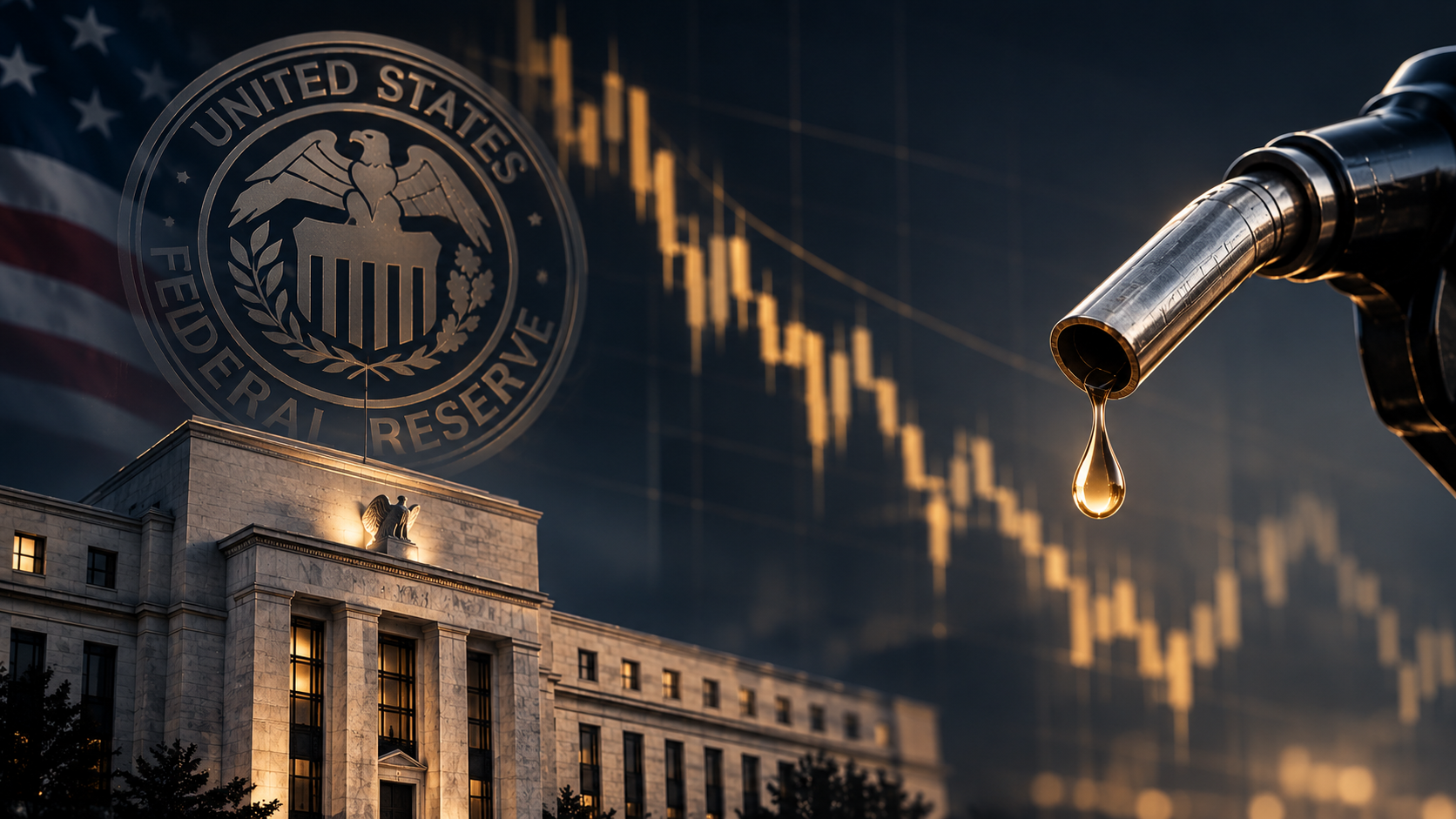
Brent crude fell 16% last week, closing at $96.84 a barrel on Monday, its steepest weekly decline since the start of the Covid-19 pandemic in 2020. For the first time since mid-September, oil is below $100. The catalyst was a shift in the geopolitical picture: US President Trump said further American strikes on Iran are "highly unlikely" if negotiations continue to progress.
That single statement changed the risk calculation in energy markets. The geopolitical premium that pushed oil from $70 to $118 between August and late October has started to deflate. For South African consumers who have been absorbing record fuel costs for months, this is the most significant development in the oil market since the conflict began.
The question now is whether the relief is durable, and what happens on Tuesday when US inflation data prints.
The risk premium has compressed, but it has not been eliminated.
The Iran conflict had been the dominant driver of Brent crude since August 2026. Houthi strikes on Saudi export infrastructure and Iranian attacks on shipping in the Strait of Hormuz pushed Brent from around $70 to a peak of $118 by late October. That 69% surge in roughly ten weeks was the fastest oil rally since the 1973 Arab oil embargo.
Last week the narrative inverted. Democrats won the US midterms, and party leaders signalled less appetite for military escalation with Iran. Trump then confirmed that limited US strikes had already been carried out on an Iranian air-defence site, and said further attacks were "highly unlikely" if talks progressed. Markets read this as a turning point.
Brent fell 8% in a single session on Wednesday, its largest one-day drop in years. By the end of the week, Brent had shed roughly $19 from its recent high. WTI crude fell 13% on the week to around $91.
What this means for South African petrol prices
South Africa adjusts pump prices monthly based on two inputs: the rand/dollar exchange rate and the international price of Brent crude. When both move in the right direction simultaneously, the relief at the pump can be significant.
Right now, both are moving in the right direction.
Brent is trading at $96.84, down from $118 just two weeks ago. The rand has strengthened to around R16.45 to the dollar, from R16.74 a month ago, as a weaker dollar and reduced demand for safe-haven assets lifted emerging market currencies. That combination points to meaningful downward pressure on December pump prices.
The Automobile Association and independent fuel analysts track the daily over- and under-recovery data from the Central Energy Fund to give consumers an early read on where prices are heading. With oil now well below the reference price used in October, the data is shifting toward a material over-recovery, which translates to a price cut at the start of December.
South Africa hit record pump prices in October 2026. Petrol 95 in Gauteng was at its highest level since the fuel levy was first introduced. Diesel followed. The combined knock-on through transport costs, food prices, and logistics had been building household cost pressure for months. A December cut, if the current oil level holds, would be the first meaningful relief many consumers have seen in the second half of 2026.
The scale of that relief is not guaranteed. Iran talks remain fragile. Tanker attacks are still occurring daily. And the OPEC production picture has not changed. Any breakdown in negotiations could reverse a portion of last week's move within days.
The Fed and Tuesday's CPI print
The oil price story this week connects directly to US inflation data. Brent at $96 instead of $118 changes the inflation calculation for the Federal Reserve, which has been watching energy costs closely as it decides whether to hike rates again in December.
Markets are currently pricing a meaningful probability of a December rate hike after October payrolls came in at 165,000 jobs added, far above the roughly 60,000 to 65,000 expected, and unemployment held at 4.1%. The Fed held rates at its November meeting, but the strong jobs data kept December live.
Tuesday's US Consumer Price Index release is the event that could either confirm or end the December hike trade. A softer CPI print, helped by lower oil, would reduce the case for a hike and weaken the dollar. A dollar that weakens further would be an additional tailwind for the rand.
The chain of events matters: lower oil reduces US inflation, a softer CPI reduces the Fed's urgency to hike, a less hawkish Fed weakens the dollar, a weaker dollar strengthens the rand, and a stronger rand puts more downward pressure on South African fuel prices. All of that runs through one number on Tuesday morning.
The JSE response
South African equity markets responded sharply to the oil drop and Iran de-escalation signal. The JSE All Share rose 3.67% on November 5, one of its strongest single-session performances of 2026. The Top 40 gained 3.99% and the precious metals and mining index climbed 4.27%.
Mining stocks led the gains. Harmony Gold rose as much as 6.4%, Gold Fields gained 3.25%, and AngloGold Ashanti added 3.56%. Northam Platinum gained 5.56%. Shaun Murison of Rand Swiss described the session as "pricing in two days of news into one."
The logic is straightforward: lower oil reduces input costs for mining operations, a stronger rand reduces the rand-denominated value of dollar-priced commodity revenues (a drag on earnings), but lower oil also reduces inflation, reduces the pressure on the SARB to hike rates further, and reduces the cost burden on South African households and businesses that mining companies depend on.
Gold itself climbed to $4,122 on Monday, recovering from the sub-$4,000 selloff we covered two weeks ago. The safe-haven calculus has shifted: oil-driven inflation fears have eased, reducing the rate-hike pressure that was weighing on gold, allowing the metal to recover some of its traditional geopolitical safe-haven role.
What this means for South African CFD traders
The oil market this week is offering two distinct trade setups, and Tuesday's CPI print will determine which one plays out.
A lower-than-expected inflation reading would reduce December hike expectations, weaken the dollar, support the rand, and add further downward pressure on oil as the macroeconomic rationale for a risk premium fades. Oil CFDs on the short side, or rand-strength plays via USD/ZAR, would be in focus.
A higher inflation number would reinforce the December hike trade, strengthen the dollar, and potentially put a floor under oil as the risk premium receives a reason to stay. The oil rebound trade from $91 to $93 support would be in play, and rand weakness via USD/ZAR long would be the direction to watch.
Both directions are tradeable. The setup is binary and event-driven, which is exactly the kind of week that rewards prepared traders with clear risk parameters and punishes those holding positions without stops.
Brent crude (UKOil/USOil), USD/ZAR, and XAU/USD are all active instruments on the BOF Asset Management platform. Manage your risk carefully in a week this event-driven.
Stay ahead of what moves your money. BOF Asset Management (FSP 53819) is regulated by the Financial Sector Conduct Authority, Category 1.
Risk Disclaimer: CFD trading carries a high level of risk and is not suitable for all investors. You may lose more than your initial deposit. BOF Asset Management is authorised and regulated by the Financial Sector Conduct Authority (FSCA), FSP licence number 53819, Category 1. Please ensure you fully understand the risks before trading.